Cedar Fences Near Big Trees in Seattle
Planning a pre-stained, pre-built cedar privacy fence next to a big tree in Ravenna, Mount Baker, Leschi or Madrona? How Seattle's tree code, street-tree permits and post placement shape the fence line, with city sources cited.
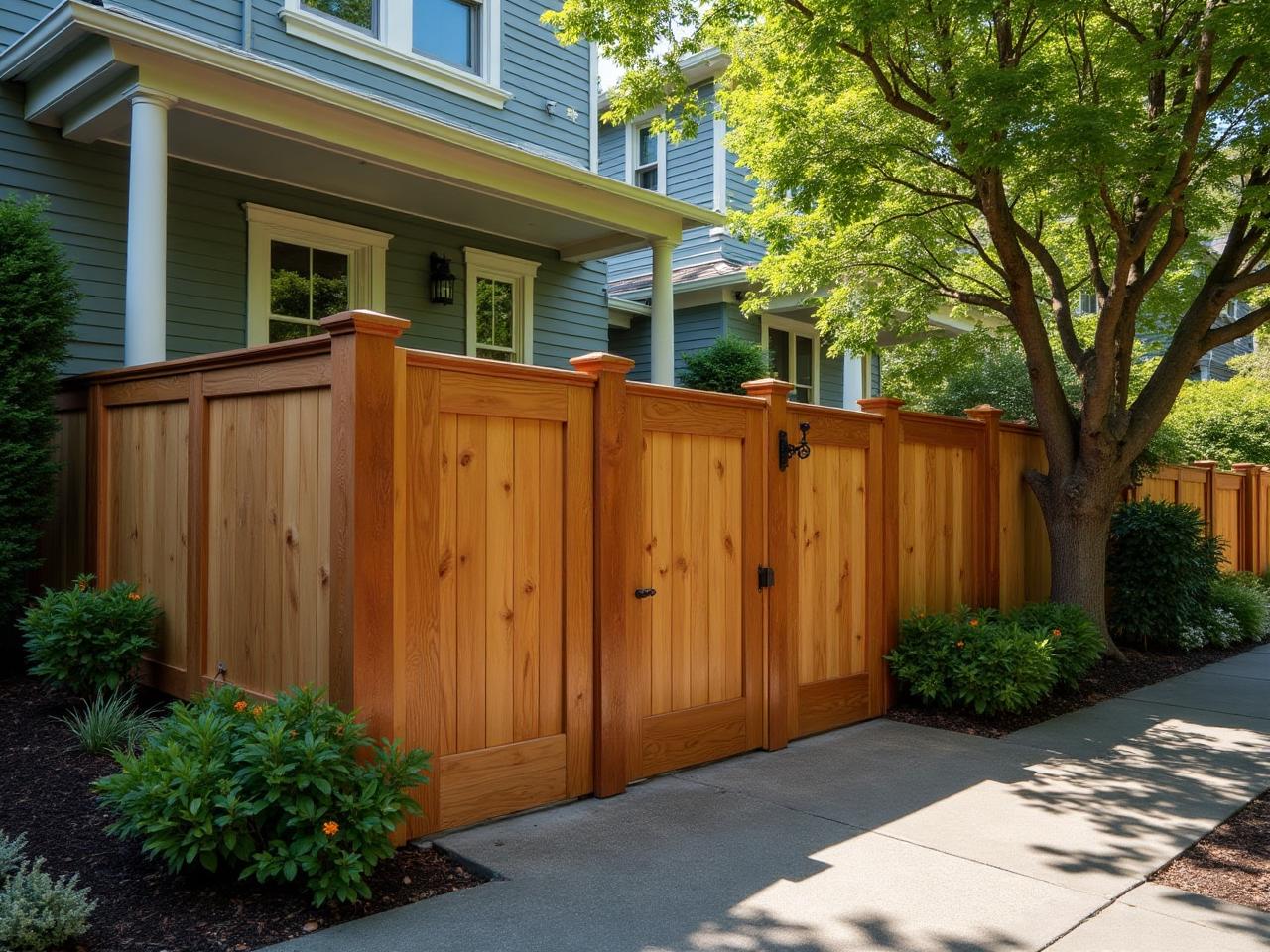
Many Seattle yards have a big tree right where the fence wants to go. It might be a backyard tree, a neighbor's tree that leans over the line, or a street tree in the planting strip.
A pre-stained, pre-built cedar privacy fence can still work there. The trick is planning the post holes around the roots, and knowing which tree work the city regulates.
This guide covers what Seattle publishes about trees on private property and along streets, and how we lay out a cedar fence so the tree and the fence both last.
Quick note: SeattleFence is an independent fence contractor, not a tree service or arborist. We aren't affiliated with the City of Seattle, SDCI, SDOT or Seattle Parks. This is general information, not legal advice. For tree questions on your lot, SDCI and a registered tree service provider have the final word.
On this page
- Why trees change the fence plan
- What Seattle's tree code says
- Street trees and park trees
- When a fence is part of a bigger project
- How we set cedar posts around a tree
- Why pre-stained, pre-built cedar fits
- Neighborhoods where this comes up
- A checklist before you dig
- Sources
Why trees change the fence plan
A fence is mostly built above ground. The part that touches a tree is the post hole.
Each post needs a hole. Near a large tree, that hole can land on a root. Cutting a big root to make room for a post is tree work, and Seattle regulates some tree work.
So the questions come before the fence style:
- Whose tree is it: yours, a neighbor's, the city's?
- Where are the large roots near the fence line?
- Can posts move a little to miss them?
- Does any root or limb actually need to be cut?
What Seattle's tree code says
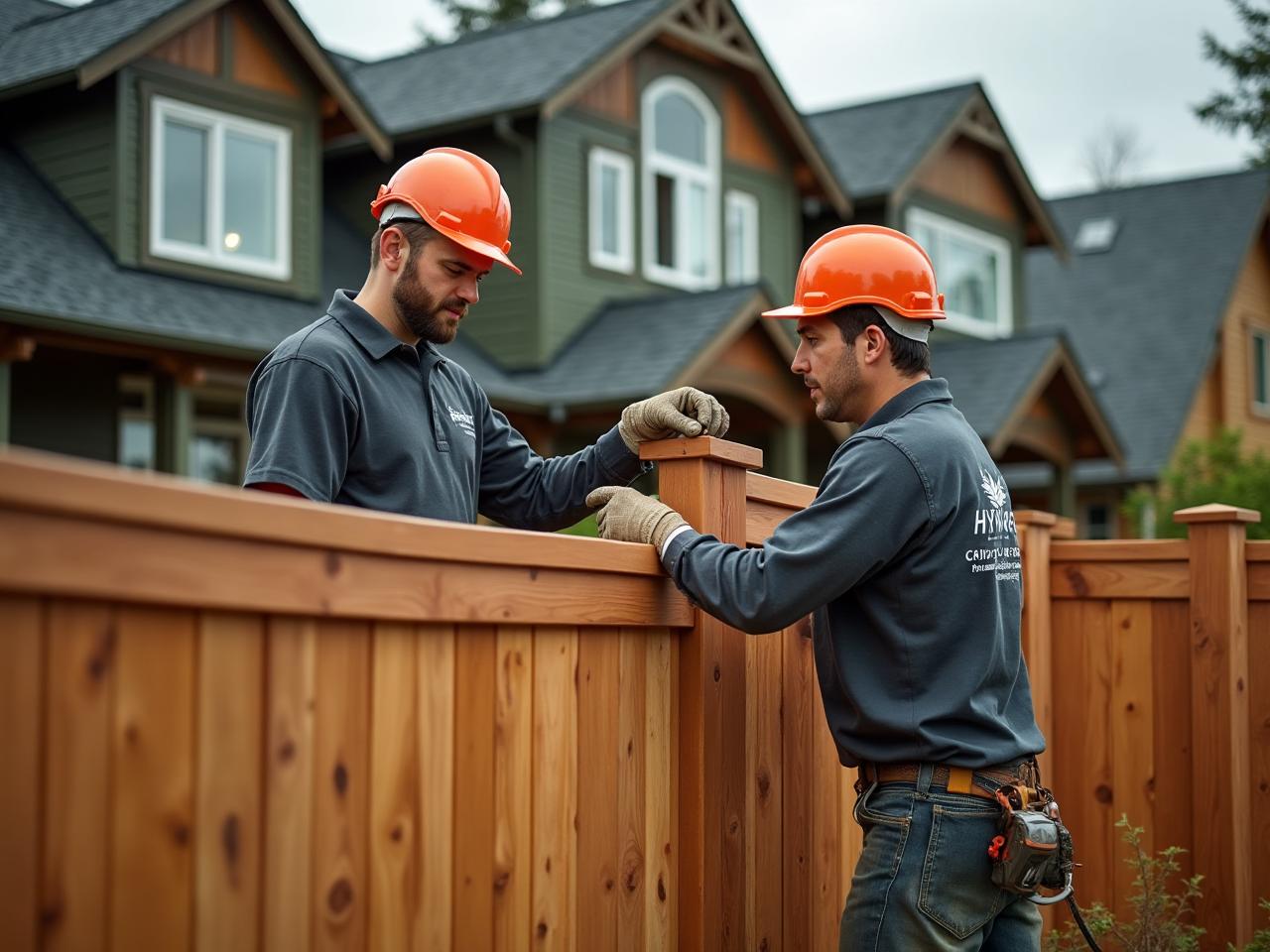
SDCI's Trees & Codes page says Seattle's Tree Protection Code, SMC 25.11, limits the number, size, and type of trees that may be removed from private property. It also says tree removal is generally prohibited when no development is proposed, though the code has exemptions and allowances.
The same page explains Seattle's Tree Service Provider Registry. Tree service providers doing certain commercial tree work in Seattle must be registered with SDCI. Here is the work SDCI lists as reportable:
| Reportable tree work (per SDCI) | Why it matters near a fence |
|---|---|
| Removing live roots 2 inches in diameter or greater | A post hole near a trunk can meet roots this size |
| Removing live branches 4 inches in diameter or greater | Low limbs over the fence line sometimes get in the way |
| Removing live branches that make up 25 percent or more of a tree's foliage-bearing area | Heavy clearing for a fence run counts |
| Removing any Tier 1, 2, 3 or 4 tree (trees 6 inches DSH or greater) | Taking out a tree to straighten a fence line is regulated |
SDCI says the registered provider posts a public notice on the SDCI website at least three full business days before reportable work, or six full business days before tree removal, and posts it on site during the work.
SDCI also notes that pruning fruit trees and maintaining hedges is not reportable work. Additional requirements may apply in environmentally critical areas and the Shoreline District.
We plan around roots, not through them. We're a fence company, not a tree service. If a layout would mean cutting a root 2 inches or larger, or a limb 4 inches or larger, we stop and move the post or the line. If cutting is truly needed, that's a job for a registered tree service provider, and SDCI can answer questions first.
Street trees and park trees
Not every tree near your fence is yours to manage.
- Street trees. SDCI's page points to SDOT for trees in the right-of-way. SDOT's Trees and Landscaping Program says it manages street trees across Seattle and supports property owner requests for permit approval to plant, prune or remove street trees. If your front fence runs near a planting strip, leave the street tree and its roots alone unless SDOT approves the work.
- Park trees. SDCI's page sends questions about trees in City parks and Parks-managed natural areas to Seattle Parks. If your yard backs onto a park, the trees and land on the other side are the city's. Our post on fences next to park land covers finding the line.
When a fence is part of a bigger project
If your fence is part of a permitted remodel, addition or new house, the tree rules get more detailed.
SDCI's Trees & Codes page says the tree protection area starts with the trunk diameter method: a radius of one foot for every inch of diameter at standard height (DSH). A project arborist proposes the tree protection area and SDCI verifies it.
SDCI says that area is used to decide whether Tier 2 trees can be removed in Neighborhood Residential and Lowrise zones, and to protect retained trees during construction. If you're planning a larger project with big trees on site, SDCI suggests contacting them early.
How we set cedar posts around a tree
Here's how we approach a fence line that passes a big tree:
- Mark the trunk and the line. We note whose tree it is and how close the fence runs.
- Probe before we dig. Near the trunk, holes are opened carefully so we find roots instead of cutting them.
- Shift posts, not roots. If a hole hits a large root, we move the post and adjust the panel width.
- Plan the span past the tree. A shorter custom panel, a wider gap or an open section can carry the fence past the trunk.
- Leave growing room. We keep boards off the bark so the fence doesn't rub the tree.
- Stop if tree work is needed. Anything regulated goes to a registered tree service provider first.
Why pre-stained, pre-built cedar fits
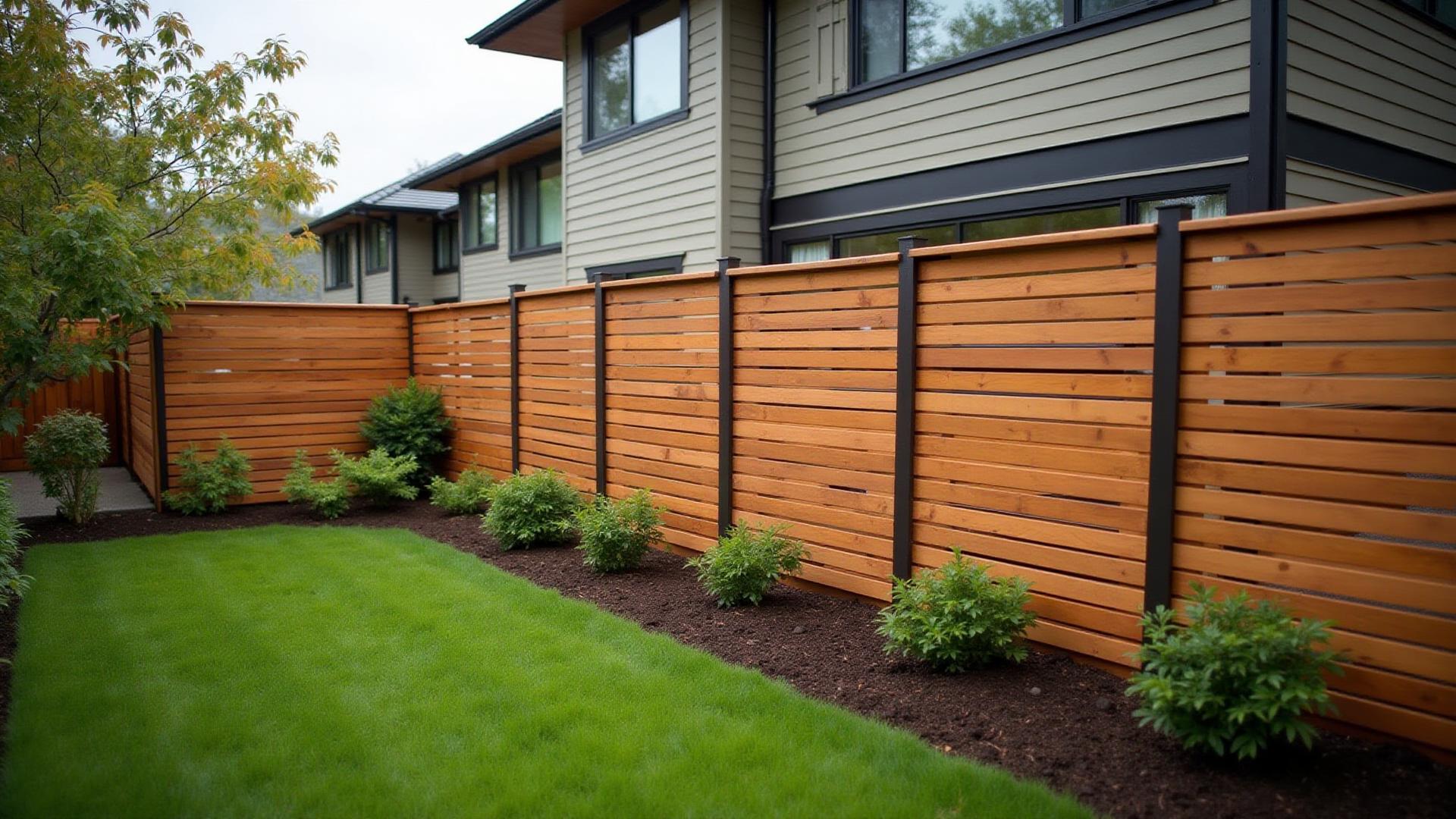
None of the city rules require a particular fence type. Still, pre-stained, pre-built cedar works well near trees:
- Less work under the canopy. Panels arrive stained, so there's no staining step in a shady, root-filled bed.
- Even color. The cedar is finished before installation, so boards are covered evenly.
- Planned spans. Panel widths are set up front, which makes it easy to plan the custom piece past a trunk.
- An open option. Where a solid run would crowd a tree, a cedar and hog wire section keeps things open.
On tricky lines, site-built cedar can follow the ground more closely. Our post on pre-stained cedar panels vs. site-built fences compares the two. See our cedar privacy fences, solid board and picture frame styles.
Neighborhoods where this comes up
Several of the Seattle neighborhoods we serve sit next to wooded parks. A few examples:
- Ravenna. Seattle Parks describes Ravenna Park as a half-mile wooded ravine just north of the University District. See our Ravenna fence page.
- Mount Baker. Parks describes Mount Baker Park as a gentle ravine boulevard with a wide path under maples, mountain ash and chestnut trees. See our Mount Baker fence page.
- Leschi. Parks describes Leschi Park as a rolling hillside of grass planted with exotic trees and rose gardens. See our Leschi fence page.
- Madrona. Parks says Madrona Park includes a wooded hillside that slopes down to a beach on Lake Washington. See our Madrona fence page.
Those park trees belong to the city. On private lots nearby, the same planning applies: find the roots, move the posts, and leave regulated tree work to the right people.
A checklist before you dig
- Identify the tree: yours, a neighbor's, a street tree or a park tree.
- Confirm the property line, especially near a planting strip or park.
- Plan post spots that stay off the trunk and big roots.
- Ask before cutting: roots 2 inches or larger and limbs 4 inches or larger are reportable tree work for tree service providers.
- Check with SDOT before touching a street tree.
- Pick your style and stain with the span past the tree in mind.
Ready to plan a fence around your trees? We'll walk the line, mark the trees, and give you a written scope with the style and stain color you choose. Call (253) 766-5854 or request a free quote.
Related pages
- Fence installation in Ravenna, Seattle
- Fence installation in Mount Baker, Seattle
- Fence installation in Leschi, Seattle
- Fence installation in Madrona, Seattle
- Seattle service area