Seattle Fence Builder Checklist: Questions to Ask Before You Hire
Hiring a Seattle fence builder? Use this checklist for licensing, in-house crews, materials, permits, warranties, and red flags before you sign.
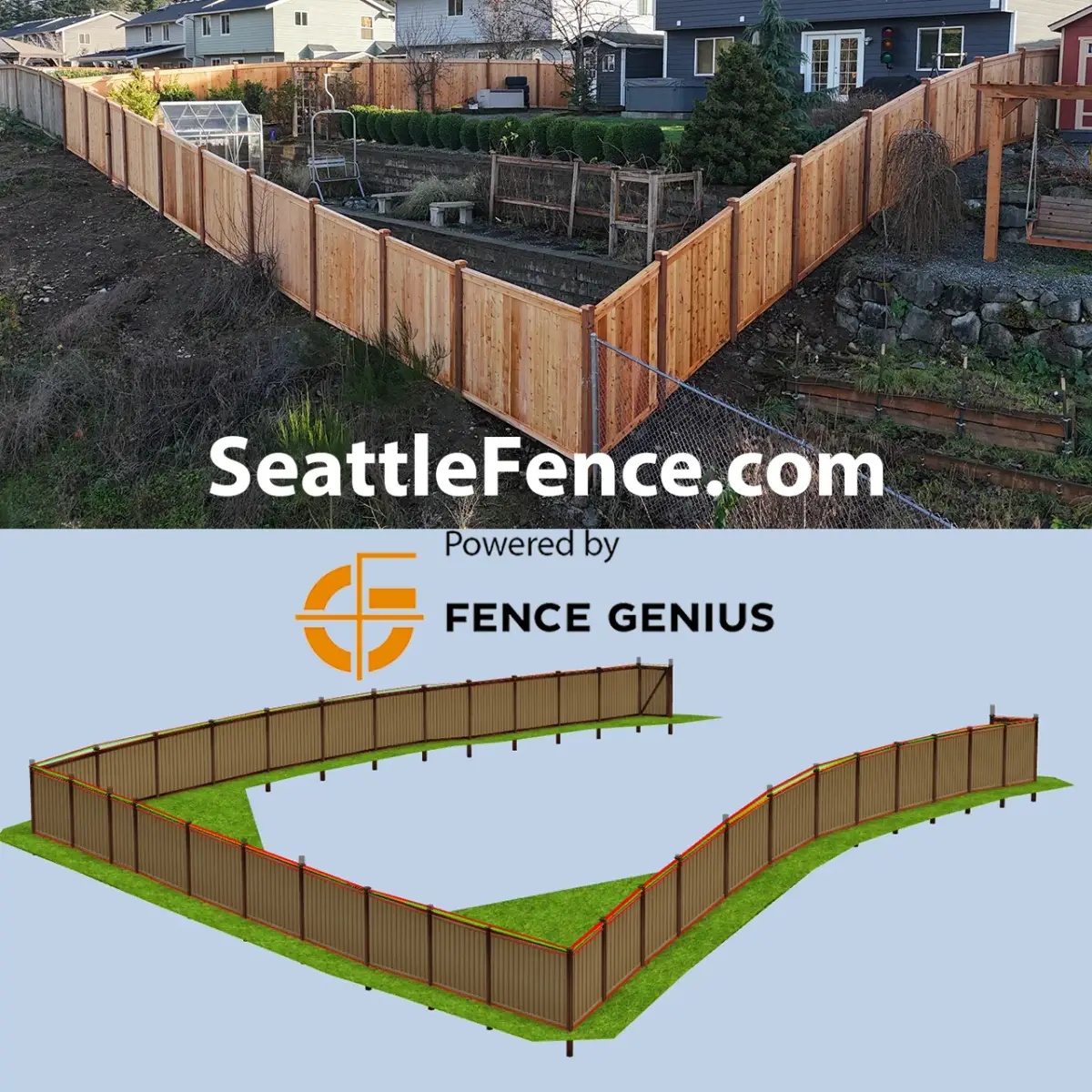
Seattle Fence Builder Checklist: Questions to Ask Before You Hire
Choosing the right fence builder in Seattle is about more than price — it’s about code compliance, material quality, communication, and whether the crew actually does the work. Use this checklist to compare any Seattle fence builder with confidence, and to spot the difference between a polished sales pitch and a company that can deliver a durable fence in our wet climate.
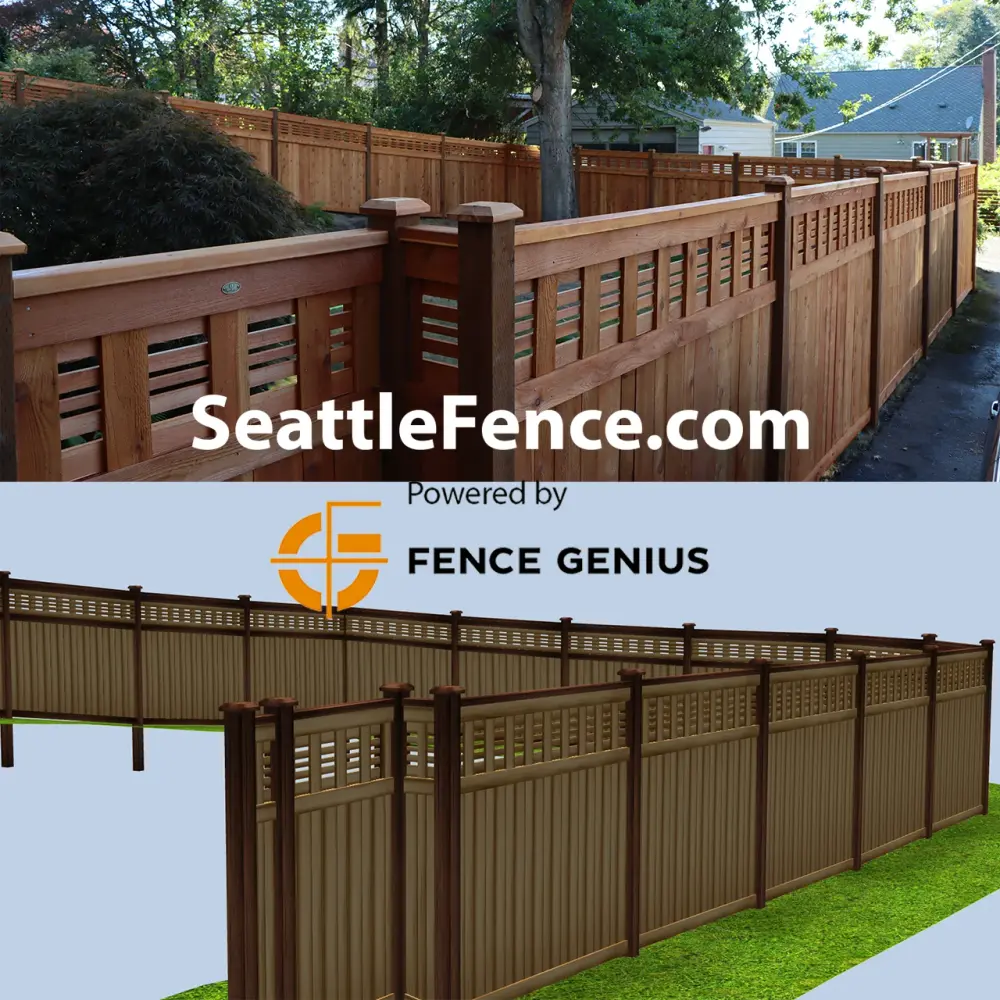
What a good fence builder should prove early
A strong Seattle fence builder should explain their process clearly, show similar projects, and answer questions without pressure. In Seattle, that matters because fences often need to account for property lines, drainage, slopes, and local rules under Seattle’s fence project guidance and the Seattle Municipal Code.
At SeattleFence.com, Eric and Andrew Knudsen run an in-house team — the people who estimate your job are tied to the people who build it. We’re also Fence Genius certified, which helps plan projects carefully from the start. If you’re comparing a fence builder in Seattle, ask the questions below before you sign anything.
1) Verify licensing, insurance, and business credentials
Before styles or colors, confirm the company is licensed and insured. In Washington, contractor registration runs through Labor & Industries. Verify coverage and status with L&I Verify and review registration basics on the WA L&I contractor licensing page. For hiring protections, see the Washington Attorney General’s consumer protection resources.
Ask:
- Are you licensed and insured?
- Do you carry liability insurance and workers’ compensation?
- Can you provide your business name exactly as it appears on registration?
- Who is responsible if a crew member is injured on site?
A reputable fence builder answers these directly. If they can’t, keep looking.
2) Confirm they build fences — not just sell them
Some companies sell leads and subcontract labor. Others send different crews every week. For a Seattle fence builder, consistency matters: post setting, layout, and finish quality decide how long the fence lasts.
Ask:
- Do you use your own employees or subcontractors?
- Who will be on my property?
- Will the same team handle the estimate, the build, and closeout?
- Can I see examples of work completed by your crew?
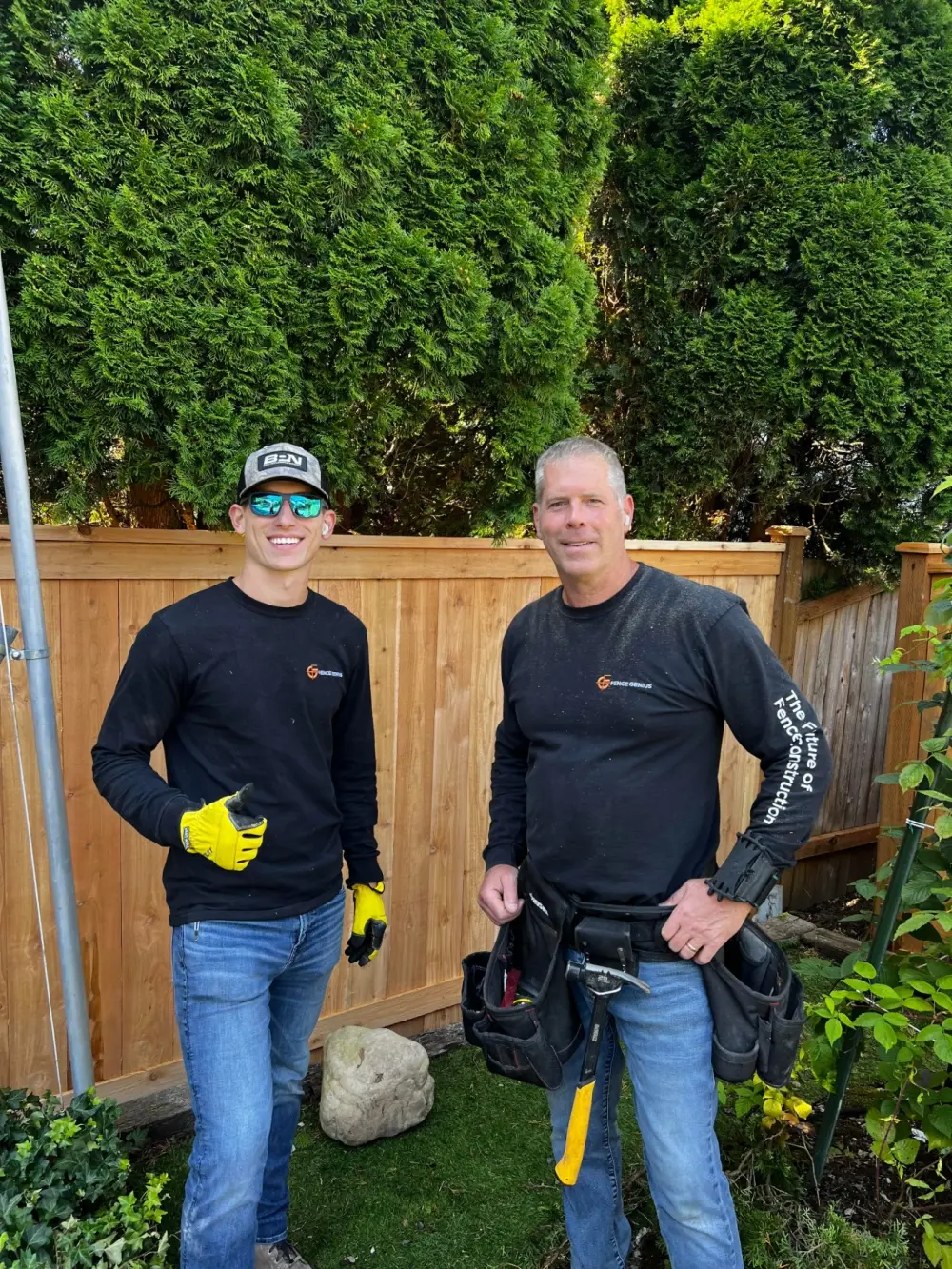
SeattleFence.com uses in-house crews — never outsourced — so the team that designs the project is accountable for the installation. That matters when you need adjustments for slopes, trees, utilities, or tricky property lines. When you compare a Seattle fence builder, ask specifically who is holding the tools on install day.
3) Match materials to Seattle’s rain and your yard
Seattle weather is hard on fences. Moisture, shade, moss, and seasonal soil movement all affect durability — so material choice should fit the site, not just the look. Useful starting points include WSU Extension resources and outdoor maintenance guidance from the Washington State Department of Ecology.
Ask:
- What materials do you recommend for my yard and exposure?
- How will the fence handle constant rain and wet soil?
- What fasteners, posts, and concrete methods do you use?
- Will you recommend cedar, steel, vinyl, or a hybrid based on my goals?
A good fence builder explains why a material fits your property. Compare looks and performance on our fence styles page and choosing a fence for your neighborhood.

4) Ask about permits, height rules, and setbacks
Permit needs depend on height, location, and whether the fence sits near streets or visibility areas. Basics live on Seattle’s fence page via SDCI and the Seattle Municipal Code. Before digging, utility locating through Call 811 should be part of the plan.
Ask:
- Do you know when a permit is required?
- Will you help me understand height limits and setbacks?
- Do you account for corner lots, slopes, or visibility triangles?
- Who checks for utility conflicts before digging?
A trustworthy Seattle fence builder knows the permit landscape — or verifies it before work starts. For a deeper breakdown, see our Seattle fence permits guide.
5) Demand a written proposal with scope and timeline
A vague quote is one of the biggest red flags in the fence industry. Your proposal should spell out materials, labor, demolition, haul-away, hardware, gate details, and estimated start and finish dates. That transparency matches good consumer practices from the Federal Trade Commission and Washington’s Attorney General’s Office.
Ask:
- What exactly is included in the price?
- What is excluded?
- Is demolition included?
- How many gates, latches, and hardware items are included?
- What is the estimated timeline from deposit to completion?
A professional fence builder provides a written proposal that makes comparison easy. If two bids differ a lot, ask what materials, depth, hardware, and cleanup actually differ.
6) Clarify warranty coverage and cleanup
A fence is not finished when the last board goes up. Cleanup, haul-away, final walkthrough, and warranty support matter as much as the install.
Ask:
- What does your warranty cover?
- How long does it last?
- Is labor covered separately from materials?
- Will you remove the old fence and haul away debris?
- Will the site be left ready to use?
A reliable Seattle fence builder explains the warranty without making you decode fine print. Put cleanup in the contract — not as a casual promise.

7) Ask how the company communicates during planning and installation
Good communication prevents delays and last-minute surprises — especially when access, parking, wet weather, or shared boundaries complicate scheduling. A modern fence builder should have a repeatable planning process, not just a vague start window.
Ask:
- Who is my main point of contact?
- How will I receive updates?
- Can you show me a layout or plan before installation?
- What happens if weather delays the project?
- How do you document changes during the job?
This is where our planning system, Fence Genius, helps — clearer planning, faster decisions, and a better experience from estimate through completion.
8) Final checklist before you hire
Before you choose a fence builder, make sure every item below is clear:
- Licensed and insured
- Uses in-house crews
- Gives a written proposal
- Explains materials for Seattle weather
- Understands permits and setbacks
- Includes cleanup and haul-away
- Provides warranty terms in writing
- Communicates clearly before and during the job
If one company checks more boxes, that usually matters more than the cheapest bid. A quality Seattle fence builder makes apples-to-apples comparison easy.
See how our process works in your part of the city on our Seattle service area page, or reach out through contact.
Ready to hire a Seattle fence builder?
When you compare bids, choose the fence builder who answers clearly, shows real project experience, uses an in-house crew, and gives you a detailed written scope. Seattle homes need fences that handle rain, soil movement, and local rules — the right contractor should make compliance and durability feel straightforward.
If you’re ready to talk with a Seattle fence builder who keeps the process simple, SeattleFence.com can help. Call (253) 766-5854 or get a free quote today.