Seattle Fence Permits and Regulations: What You Need to Know
Navigate Seattle's fence permit requirements and zoning regulations to avoid costly mistakes and ensure your project stays compliant.
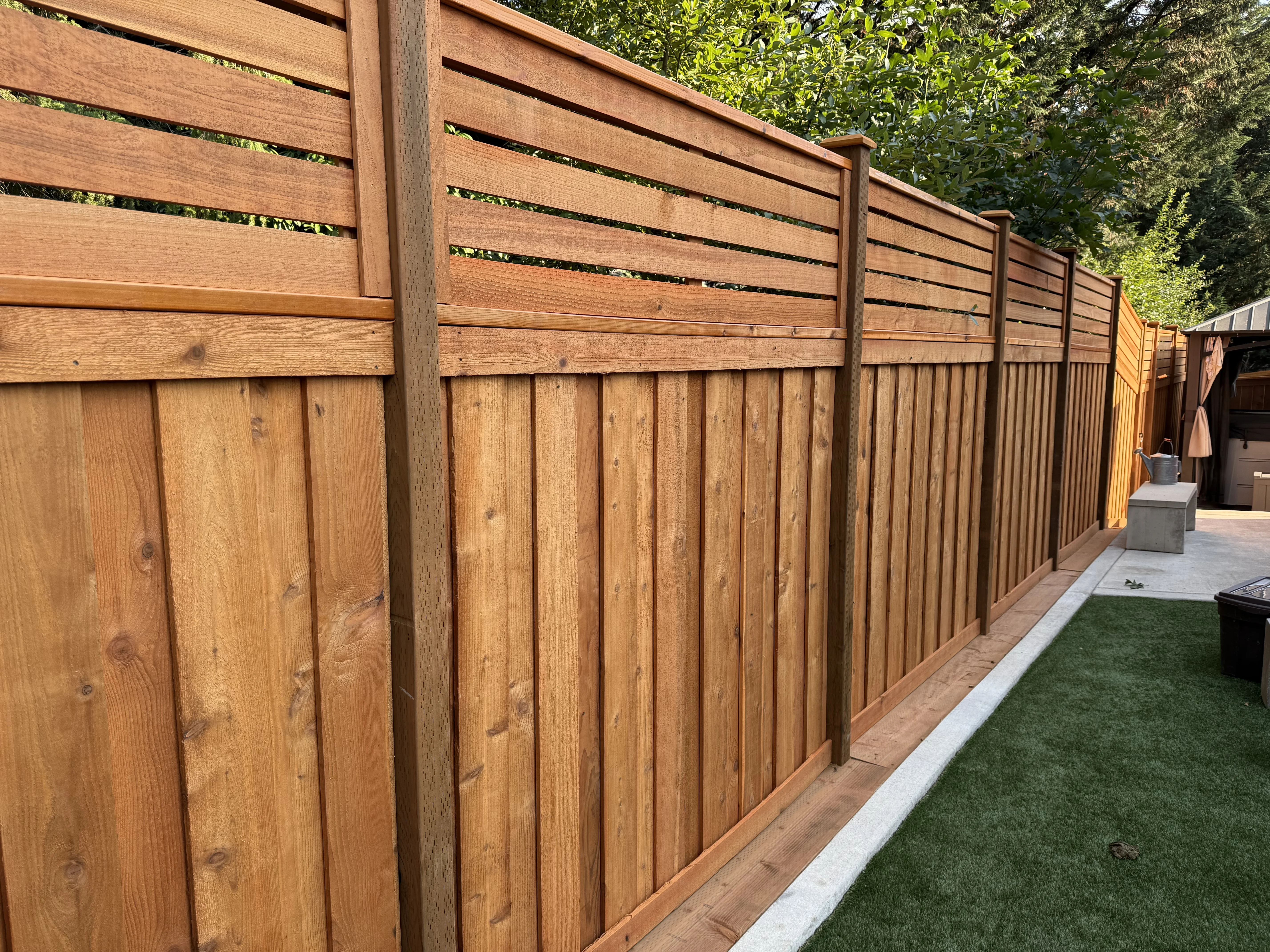
Seattle Fence Permits and Regulations: What You Need to Know
Planning a fence installation in Seattle? Understanding local regulations is crucial to avoid costly delays, fines, and the frustration of having to tear down work that doesn't comply. Whether you're installing a privacy fence in your backyard or a decorative picket fence in your front yard, here's your complete guide to what Seattle requires.
Do I Need a Permit in Seattle?
In most cases, fences under 6 feet in height do not require a building permit from the Seattle Department of Construction and Inspections (SDCI). However, there are several important exceptions:
- Fences over 6 feet tall always require a permit
- Retaining wall/fence combinations where the total height exceeds 6 feet from the lower grade
- Fences in environmentally critical areas (steep slopes, wetlands, shoreline zones)
- Fences within a sight triangle at street intersections or driveways
- Properties in historic or special review districts may need design approval
Even when a permit isn't required, all fences must comply with the Seattle Municipal Code and applicable zoning regulations. You can review the full code at the Seattle Municipal Code Chapter 23 (Land Use).
To check if your specific project needs a permit, contact the SDCI directly:
- Online: seattle.gov/sdci
- Phone: (206) 684-8850
- In person: Seattle Municipal Tower, 700 5th Avenue, Suite 2000
Height Restrictions by Zone
Seattle's height limits vary depending on where the fence sits on your property and your zoning classification:
Residential Zones (SF 5000, SF 7200, LR, MR, etc.)
- Rear and side yards: Maximum 6 feet
- Front yards: Maximum 4 feet (measured from the sidewalk grade)
- Corner lots: Fences within the sight triangle (typically 10 feet from the corner) must not exceed 3 feet to maintain driver visibility
Multifamily and Commercial Zones
- Height limits may differ; check the SDCI Tip Sheet on Fences for your specific zoning
Retaining Walls with Fences
- If your fence sits on top of a retaining wall, the combined height from the lower grade is what matters. A 4-foot retaining wall with a 4-foot fence totals 8 feet — that requires a permit and may exceed allowable height.
Property Line Considerations
Getting your property boundaries right is one of the most important steps. Mistakes here can lead to expensive disputes or forced removal of your fence.
Before installing, you should:
- Get a professional survey if there's any uncertainty about your boundaries. King County provides parcel data through the King County Parcel Viewer, but this is for reference only — it's not a substitute for a licensed survey
- Check setback requirements — some zones require fences to be set back from the street or property line
- Identify easements — utility easements, drainage easements, or access easements may restrict where you can build. Your title report or the King County Assessor can help
- Call 811 before you dig — Washington state law requires you to call 811 (Call Before You Dig) at least two business days before any excavation to have underground utilities marked
HOA and Neighborhood Covenants
Many Seattle neighborhoods have Homeowner Associations (HOAs) or Covenants, Conditions & Restrictions (CC&Rs) that impose rules stricter than the city code. Common HOA restrictions include:
- Approved fence materials and colors only
- Maximum heights lower than city limits
- Requirements for neighbor approval before installation
- Mandatory maintenance standards
Neighborhoods with active HOAs include Laurelhurst, Madison Park, Broadmoor, and Windermere. Always check your CC&Rs before planning your fence — HOA violations can result in fines and mandatory removal even if the fence is fully compliant with city code.
Special Considerations for Historic Districts
Seattle has several designated historic districts and conservation areas where fences may require additional review:
- Pioneer Square and International District — subject to the Landmarks Preservation Board
- Pike-Pine Conservation Overlay and Harvard-Belmont Landmark District — design review may be required
- Individual landmark properties — any exterior modification, including fencing, may need approval
If your property is in or near a historic district, contact the Seattle Department of Neighborhoods at (206) 684-0433 or visit seattle.gov/neighborhoods before starting your project.
Working with Neighbors
Washington state follows a "fence-out" doctrine, meaning property owners are responsible for fencing animals out of their own property rather than fencing them in. While this mostly applies to rural and agricultural areas, it sets the legal backdrop for fence disputes.
Here are some best practices for keeping the peace:
- Talk to your neighbors first — a quick conversation about your plans can prevent misunderstandings and even lead to cost-sharing opportunities
- Face the "good side" out — while not legally required in Seattle, it's considered good etiquette to face the finished side of your fence toward your neighbor
- Know the shared fence rules — if a fence sits exactly on the property line, both owners share responsibility for maintenance under RCW 16.60, Washington's fence law
- Document everything — if you have a survey, share the results with your neighbor. Written agreements about shared fences can prevent future disputes
Environmentally Critical Areas (ECAs)
Seattle has strict rules about construction in Environmentally Critical Areas. If your property is in or near any of these zones, additional review is likely required:
- Steep slopes (40% grade or greater)
- Wetlands and wetland buffers
- Riparian corridors along streams and creeks
- Shoreline zones regulated by the Shoreline Master Program
- Landslide-prone areas
You can check if your property falls within an ECA using the Seattle GIS ECA Maps.
Common Mistakes to Avoid
Based on our experience installing fences across Seattle, here are the most frequent issues homeowners run into:
- Building on a neighbor's property — even 6 inches over the line can result in legal action and forced removal
- Exceeding front yard height limits — a 6-foot privacy fence in a front yard violates code in nearly every residential zone
- Ignoring the sight triangle — corner lot fences that block driver visibility can be reported and ordered removed
- Skipping the 811 call — hitting a gas line or fiber optic cable can result in thousands of dollars in liability
- Forgetting HOA approval — getting city approval doesn't satisfy HOA requirements, and vice versa
What Happens If You Build Without a Required Permit?
If SDCI determines your fence was built without a required permit, you may face:
- A stop-work order until the permit is obtained
- Double permit fees as a penalty for building without approval
- Required modifications or removal if the fence doesn't meet code
- Fines that can accumulate daily until the violation is resolved
It's always less expensive to get things right the first time.
Bellevue Fence Permits (Eastside)
Bellevue is a different jurisdiction from Seattle. The City of Bellevue fence regulations generally do not require a building permit unless the fence is over eight feet, sits in a critical area or buffer, or is built of concrete block. Front-yard setbacks typically cap height at 4 feet 6 inches, and intersection sight lines still apply.
If you are fencing a lot in Downtown Bellevue, Somerset, Lake Hills, or anywhere else in the city, start with our Bellevue fence installation page and we will help you check height, setbacks, and access before materials are ordered.
Ready to Start Your Fence Project?
Navigating permits and regulations can feel overwhelming, but you don't have to do it alone. At SeattleFence, we handle permit research, code compliance, and installation for every project. Our team knows Seattle's regulations inside and out — from Queen Anne setbacks to Shoreline District restrictions.
Get a free quote → or call us at (253) 766-5854 to discuss your project. We'll walk you through exactly what your property requires before any work begins.
Last updated March 2024. Regulations can change — always verify current requirements with SDCI before starting your project.